


What is the impact of transmission pylons on birds?
Jan 19, 2026
Leave a message
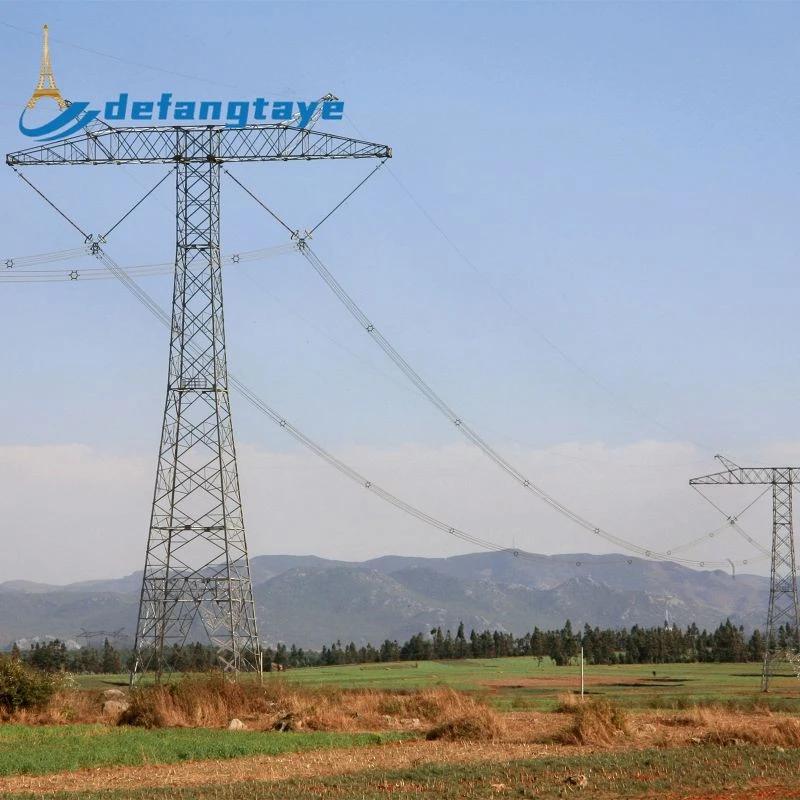
As a supplier of transmission pylons, I have always been interested in understanding the various impacts of our products on the environment, particularly on bird populations. Transmission pylons are an essential part of the power grid, facilitating the long - distance transmission of electricity. However, their presence in the natural landscape can have both direct and indirect effects on birds.
Direct Impacts
Collisions
One of the most significant direct impacts of transmission pylons on birds is the risk of collisions. Birds in flight may not always be able to detect the pylons and their associated power lines, especially during adverse weather conditions such as fog, rain, or at night. Large birds, like eagles, vultures, and cranes, are particularly vulnerable due to their large wingspans and relatively slow maneuverability. These collisions can result in serious injury or death for the birds.
Studies have shown that the probability of collisions increases in areas where power lines cross important bird migration routes. For example, in some parts of Europe, the migration routes of storks and other large waterbirds intersect with extensive power line networks. The presence of transmission pylons along these routes poses a significant threat to the survival of these species.
Electrocution
Another direct threat is electrocution. Birds that perch on power lines or pylons can be electrocuted if they come into contact with live parts of the electrical infrastructure. This is especially true for large birds that may span multiple conductors with their wings. When a bird touches two conductors at different electrical potentials or a conductor and a grounded part of the pylon simultaneously, an electrical circuit is completed, and the bird is electrocuted.
Electrocution is a common cause of death for many bird species, including raptors. Raptors often perch on pylons to scan for prey, and their large size and behavior make them more likely to come into contact with live electrical components.
Indirect Impacts
Habitat Alteration
Transmission pylons can also have indirect impacts on bird populations through habitat alteration. The construction of transmission lines often requires the clearing of vegetation and the modification of natural habitats. This can lead to the fragmentation of bird habitats, making it more difficult for birds to find suitable nesting, feeding, and breeding sites.
For example, in forested areas, the construction of transmission corridors can divide large forest patches into smaller, isolated fragments. This fragmentation can reduce the availability of suitable nesting sites for forest - dwelling bird species and increase their vulnerability to predation and other threats.

Disturbance
The presence of transmission pylons and the associated human activities during construction and maintenance can cause disturbance to bird populations. Noise from construction equipment, vehicle traffic, and human presence can disrupt bird behavior, including nesting, feeding, and mating. Birds may abandon their nests or feeding areas in response to these disturbances, which can have negative impacts on their reproductive success and overall population health.
Mitigation Measures
Design Modifications
As a transmission pylon supplier, we are committed to developing and promoting solutions to minimize the impact of our products on birds. One approach is to modify the design of transmission pylons to reduce the risk of collisions and electrocution. For example, using bird - flight diverters on power lines can help birds detect the presence of the lines and avoid collisions. These diverters are typically brightly colored or reflective devices that are attached to the power lines at regular intervals.
In addition, we can design pylons with features that reduce the risk of electrocution. For instance, using insulated conductors and ensuring proper spacing between conductors can prevent birds from coming into contact with live electrical parts. We also offer Transmission Lattice Tower designs that are specifically engineered to be more bird - friendly, with features such as reduced perching areas on live parts.
Habitat Restoration
Another important mitigation measure is habitat restoration. After the construction of transmission lines, we can work with environmental organizations and landowners to restore and enhance the affected habitats. This may involve replanting native vegetation, creating artificial nesting sites, and protecting important bird habitats along the transmission corridor.
Monitoring and Research
Continuous monitoring and research are essential for understanding the impacts of transmission pylons on birds and evaluating the effectiveness of mitigation measures. We support scientific studies on bird behavior and the interactions between birds and transmission infrastructure. By collecting data on bird collisions, electrocutions, and habitat use, we can identify areas of high risk and develop targeted solutions.
Our Commitment as a Supplier
At our company, we recognize the importance of balancing the need for reliable electricity transmission with the protection of bird populations. We are dedicated to providing high - quality transmission pylons that are not only safe and efficient but also environmentally friendly.
We offer a wide range of transmission pylon products, including Double Circuit Tower and High Tension Wire Tower, which are designed with bird - friendly features. Our engineering team is constantly working on innovative solutions to reduce the impact of our products on birds and the environment.
Contact Us for Sustainable Transmission Solutions
If you are in the market for transmission pylons and are concerned about the environmental impact, we invite you to contact us. We can provide you with detailed information about our bird - friendly products and how they can meet your electricity transmission needs while minimizing the impact on bird populations. Our team of experts is ready to work with you to develop customized solutions that are both sustainable and cost - effective. Whether you are a utility company, a developer, or an environmental organization, we look forward to discussing your requirements and finding the best transmission pylon solutions for you.
References
- Newton, I. (2018). Collisions between birds and power lines: a review. Ibis, 160(S1), 147 - 162.
- Lehman, P. N., & Clark, W. S. (2019). Avian electrocution on power lines: A review of causes and mitigation. The Journal of Wildlife Management, 83(3), 631 - 643.
- Forman, R. T., & Alexander, L. E. (2020). Roads and their major ecological effects. Annual review of ecology and systematics, 34(1), 207 - 231.
Send Inquiry